

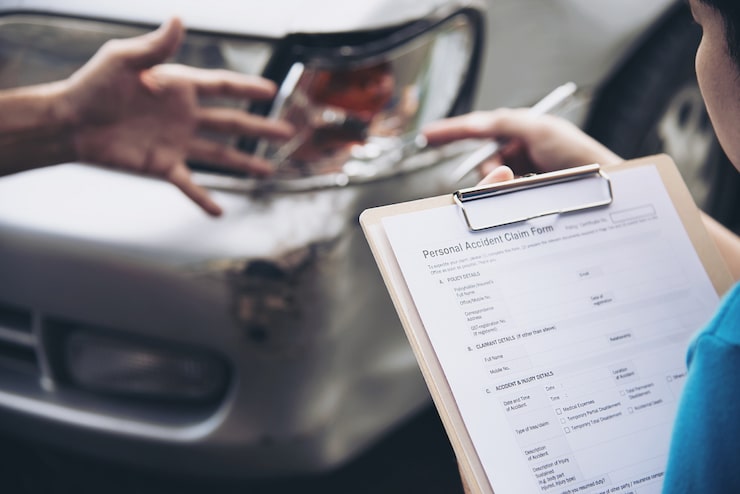
When an accident happens involving a backup or substitute Uber driver, confusion often follows. Questions arise about contracts, insurance coverage, and who is legally responsible. In 2026, with rideshare usage continuing to grow across the United States, understanding the Uber help backup driver contract blogsgistan.com/ issue is critical for drivers, passengers, and even third parties involved in collisions.
This comprehensive guide explains how liability works, what Uber’s contracts mean for backup drivers, how insurance coverage applies, and what steps to take after an accident—using U.S. laws, real-world scenarios, and city-specific trends.
Understanding Uber’s Backup Driver and Contract System
Uber allows only approved drivers to operate vehicles under its platform. In most cases, a “backup driver” refers to:
- A secondary driver listed on the vehicle’s insurance policy, or
- Someone driving the vehicle without being the registered Uber account holder
However, Uber’s contract policies strictly require that:
- The person driving must be the one approved by Uber
- The driver must pass background checks and vehicle inspections
- Any deviation may affect insurance coverage
The company classifies drivers as independent contractors, not employees. This distinction plays a major role in determining liability after an accident.
Uber operates nationwide, but state laws can influence how accidents and liability are handled.
Why Backup Driver Accidents Are Increasing
Several trends contribute to the rise in backup driver accident cases:
1. Driver Fatigue and Shift Sharing
In large metro areas like New York City and Los Angeles, some drivers share vehicles within families or partnerships to maximize earnings. This can create legal gray areas when accidents occur.
2. Economic Pressure
With rising living costs in states such as California and Texas, drivers may attempt to use backup drivers to keep vehicles active around the clock.
3. Misunderstanding Uber’s Contract Terms
Many drivers assume that adding someone to their car insurance is enough. In reality, Uber requires each driver to be separately approved on its platform.
Who Is Liable in a Backup Driver Accident?
Liability depends on several factors:
1. Was the Driver Logged Into Uber?
If the backup driver was:
- Logged into the Uber app
- Actively transporting a passenger
Then Uber’s commercial insurance policy may apply—but only if the driver was officially approved.
If not approved, Uber can deny coverage entirely.
2. Driver’s Personal Auto Insurance
If Uber denies coverage:
- The backup driver’s personal insurance becomes the primary coverage
- Claims may be denied if the policy excludes commercial use
This is a common reason disputes arise in uber backup driver accident liability cases.
3. Third-Party Liability
If another vehicle caused the crash, that driver’s insurance may be responsible regardless of Uber involvement.
Uber’s Insurance Coverage Explained
Uber provides tiered insurance depending on app status:
- App Off: Only the driver’s personal insurance applies
- App On, No Ride Accepted: Limited liability coverage
- Passenger in Car: Up to $1 million in liability coverage
However, this only applies when the driver meets Uber’s contract requirements.
A backup driver operating without authorization may void access to these protections.
Key Legal Issues in Backup Driver Contract Accidents
Independent Contractor Status
Because Uber drivers are contractors, not employees:
- Uber is usually not directly liable for driver negligence
- Responsibility falls on the driver and their insurance
Negligent Entrustment
If the vehicle owner knowingly allowed an unapproved driver to operate under Uber:
- They could face legal claims
- Especially if the driver lacked proper licensing or training
State-Specific Laws
Each state treats rideshare accidents differently:
- California: Strong consumer protection laws and high insurance minimums
- Texas: More emphasis on personal insurance responsibility
- Florida: Complex no-fault insurance rules affecting injury claims
Understanding your local regulations is critical.
What to Do After an Uber Backup Driver Accident
If you are involved in an accident as a passenger, driver, or third party, follow these steps:
1. Call Emergency Services
Always prioritize safety and medical care.
2. Document Everything
Take photos of:
- Vehicles
- License plates
- Driver identity
- Uber app screen (if applicable)
3. Report the Accident to Uber
Use the Uber Help section in the app to submit details. This creates an official record.
4. Seek Legal Advice
Rideshare accidents involve overlapping policies and contracts. A lawyer familiar with rideshare liability can clarify:
- Which insurance applies
- Whether Uber can be held accountable
- Your compensation options
Passenger Rights in Backup Driver Accidents
Passengers have the right to:
- File insurance claims
- Seek medical compensation
- Demand transparency from Uber
If the driver was unauthorized, passengers may still pursue claims through:
- Personal insurance
- The vehicle owner’s policy
- Civil court
Long-Term Trends in Uber Accident Liability (2026 and Beyond)
Experts predict:
- Stricter enforcement of driver verification
- More automated identity checks
- Higher insurance requirements nationwide
- Greater public awareness of rideshare risks
Cities like Chicago and Miami are already seeing new regulations focused on driver accountability and safety.
Common Mistakes Drivers Make
- Allowing friends or relatives to drive their Uber vehicle
- Assuming personal insurance covers commercial use
- Ignoring Uber’s contract policies
- Failing to report accidents immediately
These mistakes can result in denied claims and contract termination.
How Uber Help and Support Handles Backup Driver Accidents
Uber Help typically:
- Reviews trip data
- Confirms driver authorization
- Coordinates with insurance providers
- May suspend accounts during investigation
If the backup driver was unauthorized, Uber often denies responsibility under its terms of service.
Frequently Asked Questions (FAQs)
What is an Uber backup driver contract accident?
It refers to a crash involving a driver operating an Uber vehicle who is not the primary approved account holder.
Does Uber insurance cover backup drivers?
Only if the backup driver is officially approved and logged into the Uber app at the time of the accident.
Who pays for damages in an unauthorized driver accident?
Usually the driver’s personal insurance or the vehicle owner’s policy.
Can passengers sue Uber directly?
In some cases, yes—but success depends on contract terms, state law, and whether Uber’s insurance applies.
Which states see the most rideshare accident claims?
High-population states such as California, Texas, Florida, and New York report the most rideshare-related claims.
Conclusion
An Uber help backup driver contract accident is more complex than a typical car crash. Liability depends on contract compliance, app status, and state insurance laws. Backup drivers who are not officially approved risk losing coverage, while passengers may face delays in compensation if Uber denies responsibility.
As rideshare services continue to expand across the United States, understanding your rights and obligations is essential. Whether you are a driver trying to stay compliant or a passenger seeking answers after an accident, knowledge of Uber’s contract terms and local laws can protect you from costly mistakes.
In 2026 and beyond, transparency, compliance, and proper insurance coverage will define how backup driver accidents are resolved—making education and preparation more important than ever.