Introduction
Knee pain is one of the most common musculoskeletal problems affecting millions of Americans every year. Whether caused by aging, arthritis, injury, or long-term wear and tear, chronic knee pain can make even simple daily activities feel challenging. Walking, climbing stairs, exercising, and maintaining an active lifestyle often become difficult when the knee joint is severely damaged.
For individuals who have exhausted non-surgical treatment options, knee replacement surgery can offer a life-changing solution. Advances in orthopedic medicine have made knee replacement one of the most successful and commonly performed procedures in the United States. In 2026, innovations such as robotic-assisted surgery, personalized implants, and enhanced recovery programs are helping patients recover faster and achieve better long-term outcomes.
This comprehensive guide explains everything you need to know about knee replacement surgery, including its benefits, risks, recovery process, costs, and the latest advancements available to patients today.
What Is Knee Replacement Surgery?
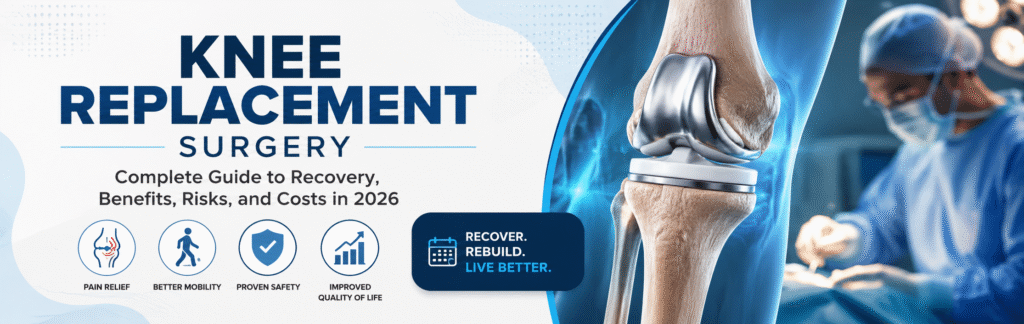
Knee replacement surgery, also known as knee arthroplasty, is a procedure that removes damaged portions of the knee joint and replaces them with artificial components. These prosthetic components are designed to replicate the movement and function of a healthy knee while reducing pain and improving mobility.
The artificial joint typically consists of:
- Metal components that cover the ends of the thighbone and shinbone
- A durable plastic spacer that acts as cartilage
- In some cases, a plastic component placed beneath the kneecap
The primary goal of knee replacement surgery is to relieve chronic pain, restore movement, and improve overall quality of life.
Why People Need a Knee Replacement
Many knee conditions can gradually damage the joint over time. While medications, physical therapy, injections, and lifestyle changes may provide temporary relief, some patients eventually require surgery when conservative treatments are no longer effective.
Common reasons for knee replacement include:
Osteoarthritis
Osteoarthritis is the leading cause of knee replacement surgery. It occurs when the cartilage cushioning the knee gradually wears away, causing bones to rub together. This can lead to pain, stiffness, swelling, and reduced mobility.
Rheumatoid Arthritis
Rheumatoid arthritis is an autoimmune condition that causes chronic inflammation in the joints. Over time, this inflammation can damage cartilage and bone, making knee replacement necessary.
Post-Traumatic Arthritis
Previous knee injuries, fractures, or ligament damage may lead to long-term joint degeneration. Even years after an injury, arthritis can develop and significantly affect knee function.
Joint Deformities
Severe bow-legged or knock-kneed deformities can alter the alignment of the knee joint, resulting in pain and mobility issues that may require surgical correction.
Common Signs You May Need Knee Replacement Surgery
Not everyone with knee pain needs surgery. However, certain symptoms may indicate that a knee replacement should be considered.
You may be a candidate if you experience:
- Persistent knee pain even while resting
- Difficulty walking short distances
- Trouble climbing stairs
- Chronic knee swelling
- Joint stiffness that limits movement
- Sleep disturbances due to pain
- Reduced ability to perform daily activities
- Limited relief from medications or physical therapy
- Dependence on walking aids such as canes or walkers
If knee pain is interfering with your quality of life, it may be time to consult an orthopedic specialist.
Types of Knee Replacement Procedures
Not all knee replacement surgeries are the same. The type of procedure depends on the extent and location of joint damage.
Total Knee Replacement
Total knee replacement is the most common procedure. During surgery, the damaged surfaces of the knee joint are removed and replaced with artificial components.
Benefits include:
- Significant pain relief
- Improved mobility
- Long-term durability
- High success rates
Most patients who undergo total knee replacement experience substantial improvements in daily function.
Partial Knee Replacement
Partial knee replacement is an option when damage is limited to one area of the knee.
Instead of replacing the entire joint, only the affected compartment is resurfaced.
Advantages include:
- Smaller incision
- Faster recovery
- Less blood loss
- More natural knee movement
However, not every patient qualifies for this procedure.
Bilateral Knee Replacement
Some individuals have severe arthritis in both knees. In these cases, surgeons may recommend replacing both knees either during the same operation or through separate surgeries.
The decision depends on age, overall health, and individual circumstances.
How Knee Replacement Surgery Is Performed
Knee replacement surgery typically takes between one and two hours.
The procedure usually involves the following steps:
- Administration of anesthesia
- Surgical incision over the knee
- Removal of damaged cartilage and bone
- Preparation of the joint surfaces
- Placement of prosthetic components
- Testing alignment and movement
- Closing the incision
After surgery, patients are encouraged to begin moving the joint as soon as possible to promote recovery and reduce complications.
Latest Advances in Knee Replacement Technology in 2026
Orthopedic surgery continues to evolve rapidly, providing patients with safer procedures and better outcomes.
Robotic-Assisted Knee Replacement
Robotic-assisted surgery has become increasingly popular in 2026.
Using advanced imaging and computer guidance, surgeons can:
- Improve implant positioning
- Enhance surgical precision
- Create personalized treatment plans
- Potentially improve long-term implant performance
Robotic systems do not replace surgeons. Instead, they provide additional accuracy and support throughout the procedure.
Personalized Implants
Modern implants are designed to better match individual anatomy.
This personalized approach can improve:
- Comfort
- Range of motion
- Implant alignment
- Long-term satisfaction
Enhanced Recovery Programs
Hospitals across the United States are adopting enhanced recovery protocols that focus on:
- Better pain management
- Early mobility
- Reduced hospital stays
- Faster rehabilitation
Many patients can now return home the same day or within 24 hours of surgery.
Recovery Timeline After Knee Replacement
Recovery varies from person to person, but understanding what to expect can make the process less stressful.
First Week After Surgery
During the first few days, patients focus on:
- Pain management
- Walking with assistance
- Gentle physical therapy
- Preventing blood clots
- Reducing swelling
Most patients begin standing and walking shortly after surgery.
Weeks 2–6
This period is critical for rehabilitation.
Patients often:
- Increase walking distance
- Improve range of motion
- Build strength
- Gradually regain independence
Physical therapy plays a major role during this phase.
Months 2–3
Many individuals experience significant improvements in mobility and comfort.
Common milestones include:
- Returning to driving
- Resuming light work activities
- Walking without assistance
- Participating in low-impact exercise
Six Months to One Year
Complete recovery may take up to a year.
During this time:
- Strength continues improving
- Swelling gradually decreases
- Mobility reaches its maximum potential
- Daily activities become easier and more comfortable
Patience and consistency are essential throughout recovery.
Benefits of Knee Replacement Surgery
For qualified candidates, knee replacement offers numerous benefits.
Significant Pain Relief
The primary reason patients choose surgery is to eliminate chronic pain that limits daily activities.
Improved Mobility
Most individuals find it easier to walk, climb stairs, and participate in recreational activities after recovery.
Better Quality of Life
Pain reduction often leads to:
- Better sleep
- Increased independence
- Improved mental well-being
- Greater confidence in movement
Increased Physical Activity
Many patients return to activities such as:
- Walking
- Swimming
- Cycling
- Golf
- Low-impact fitness programs
Regular movement contributes to overall health and wellness.
Risks and Potential Complications
Although knee replacement is generally safe, every surgical procedure carries some risk.
Possible complications include:
Infection
Infections can occur around the surgical site and may require additional treatment.
Blood Clots
Blood clots can form in the legs after surgery. Preventive measures such as medication and early movement help reduce this risk.
Nerve or Blood Vessel Injury
Rarely, nearby nerves or blood vessels may be affected during surgery.
Implant Wear and Loosening
Over time, artificial joints may wear down or become loose, potentially requiring revision surgery.
Joint Stiffness
Some patients experience limited flexibility despite rehabilitation efforts.
Choosing an experienced orthopedic surgeon can help minimize these risks.
How Long Does a Knee Replacement Last?
Modern knee implants are designed for long-term performance.
Many replacements last:
- 15 to 20 years
- Sometimes longer with proper care
Factors influencing implant lifespan include:
- Age
- Body weight
- Activity level
- Overall health
- Surgical technique
Avoiding high-impact sports and maintaining a healthy weight can help extend implant longevity.
Knee Replacement Costs in the United States
The cost of knee replacement surgery varies depending on several factors.
These include:
- Geographic location
- Hospital facility
- Surgeon fees
- Implant type
- Insurance coverage
- Rehabilitation services
Without insurance, total expenses may range from $30,000 to $60,000 or more.
Most insurance plans and Medicare provide coverage when the procedure is considered medically necessary.
Patients should consult their insurance provider to understand out-of-pocket costs before scheduling surgery.
Life After Knee Replacement Surgery
Many patients describe knee replacement as one of the best healthcare decisions they have ever made.
Following recovery, individuals often enjoy:
- Increased mobility
- Greater independence
- Improved fitness levels
- Reduced pain
- Better sleep quality
- Enhanced quality of life
While the artificial joint may not feel exactly like a natural knee, most patients experience dramatic improvements compared to their pre-surgery condition.
Maintaining a healthy lifestyle is important for preserving long-term results.
Who Is a Good Candidate for Knee Replacement?
A person may be considered a good candidate if they:
- Have severe arthritis
- Experience chronic knee pain
- Struggle with daily activities
- Have not responded to conservative treatments
- Are medically fit for surgery
Age alone is no longer the deciding factor. Surgeons focus more on symptoms, lifestyle limitations, and overall health when determining eligibility.
Frequently Asked Questions
Is knee replacement surgery painful?
Patients experience discomfort during recovery, but modern pain management techniques help control symptoms effectively. Most individuals report that the temporary recovery pain is far less severe than the chronic pain they experienced before surgery.
How long does recovery take?
Basic recovery generally takes six to twelve weeks, while full recovery can require six months to one year.
Can I walk immediately after surgery?
Yes. Most patients begin standing and walking with assistance within a day of surgery.
What is the success rate of knee replacement surgery?
Knee replacement is considered one of the most successful orthopedic procedures, with the majority of patients experiencing substantial pain relief and improved mobility.
How long do knee implants last?
Many modern implants last between 15 and 20 years, and some may last even longer depending on lifestyle and overall health.
Can younger adults have knee replacement surgery?
Yes. Younger patients with severe arthritis or joint damage may benefit from surgery when conservative treatments fail.
Will I be able to exercise after surgery?
Most patients can safely participate in low-impact activities such as walking, swimming, cycling, and golf after recovery.
Is robotic knee replacement better?
Robotic-assisted surgery may improve precision and implant positioning, but outcomes still depend heavily on surgeon experience and patient rehabilitation.
Conclusion
Knee replacement surgery remains one of the most effective solutions for individuals suffering from severe knee pain, arthritis, and mobility limitations. Thanks to advances in medical technology, robotic-assisted procedures, personalized implants, and enhanced recovery programs, patients in 2026 have more treatment options and better outcomes than ever before.
While recovery requires dedication and patience, the long-term benefits often include significant pain relief, improved mobility, increased independence, and a better quality of life. For many people, knee replacement is not simply a surgical procedure—it is an opportunity to regain freedom of movement and return to the activities they enjoy.
If chronic knee pain is preventing you from living comfortably, consulting an experienced orthopedic specialist can help determine whether knee replacement surgery is the right choice. With proper treatment, rehabilitation, and long-term care, many patients enjoy years of improved comfort and mobility after surgery.